How Lucas Jumalon’s Aggressive Main Event Style Won the Title
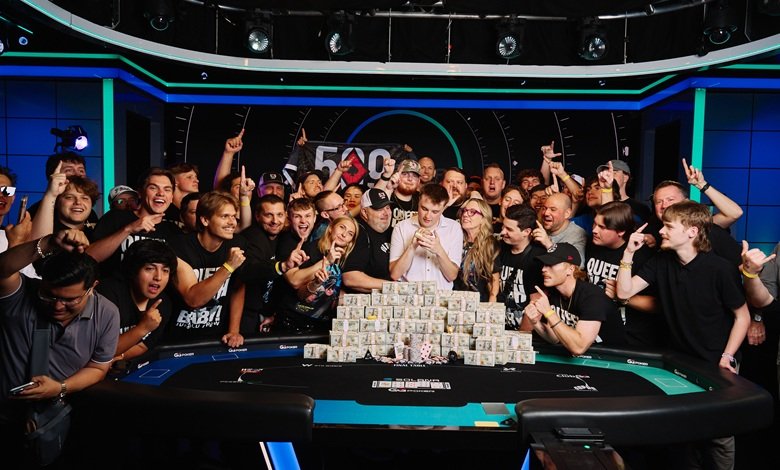
The coronation of a new World Series of Poker Main Event champion is always a masterclass in high-stakes decision-making. The latest victor, Lucas Jumalon, did not simply navigate the marathon field; he dominated it with a relentless, aggressive style that left opponents perpetually on the back foot. His victory over Finnish pro Lauri Saaskilahti in the heads-up duel was the final act of a strategic symphony built on pressure and precision. By dissecting key hands from his remarkable run, players worldwide can understand how controlled aggression, rather than reckless abandon, is a potent weapon for claiming poker’s ultimate prize.
Defining the Jumalon Aggression Model
Aggression in poker is often misunderstood as a synonym for frequent betting. Lucas Jumalon’s performance in the WSOP Main Event presented a more nuanced blueprint. His aggression was calculated, situational, and rooted in maximizing fold equity—the probability an opponent will surrender their hand. He consistently applied pressure when he perceived weakness or when the board texture favored his perceived range. This wasn’t about playing a high volume of hands; it was about playing a selective range with overwhelming force, often choosing to three-bet or lead out on flops rather than take passive lines like checking or calling. This model forced opponents into difficult decisions for massive portions of their stack, a strategy that accumulated chips steadily while avoiding many high-variance coin-flip scenarios.
The Psychology of Relentless Pressure
A key component often overlooked is the psychological toll this style exacts. Facing an opponent who consistently re-raises pre-flop or leads into multi-way pots creates a state of perpetual uncertainty. Players like Lauri Saaskilahti, known for a solid and thoughtful approach, were forced to tighten their ranges defensively, ironically surrendering more uncontested pots to Jumalon. This aggressive posture allowed Jumalon to steal blinds and antes more frequently as the tournament progressed, a critical factor in maintaining a healthy stack without showdown risk. The mental fatigue inflicted on opponents, who must constantly recalibrate for heightened aggression, can lead to costly mistakes at the most inopportune moments.
Critical Hand Analysis: Applying Pre-Flop Pressure

A pivotal moment deep in the tournament exemplified Jumalon’s strategic use of pre-flop aggression. In a hand well-documented by live reporters, Jumalon, holding a hand like Ace-Ten offsuit, faced an open-raise from a mid-position player. Many would opt for a call, looking to see a flop in position. Jumalon chose a substantial three-bet, applying immediate pressure. The original raiser, holding a medium-strength hand like King-Queen, was now faced with a decision for a significant portion of their stack before seeing a community card. They folded, and Jumalon added a meaningful pot to his stack. This play highlights an actionable tip: use three-bets liberally against late-position opens, especially when you have position. It allows you to win the pot immediately and establishes a table image that pays dividends later. The goal is not solely to win with the best hand but to win the pot outright before the flop.
Navigating Post-Flop Complexity
Aggression cannot cease after the flop. In another crucial hand against a formidable opponent, the board came all low cards, a texture that often misses the calling ranges of players who have faced pre-flop aggression. Jumalon, holding only a high-card overcard like Ace-high, chose to continuation bet on the flop and, crucially, followed through with a second barrel on the turn. This double-barrel bet represented immense strength, convincing his opponent he had hit the board. The opponent folded a marginal pair. The lesson here is that consistent aggression across multiple streets sells a powerful story. When you take an aggressive line pre-flop, you must often follow through post-flop to capitalize on the fold equity you have built. Abandoning the aggression on the flop can turn your initial play into a costly bluff.
Heads-Up Dominance Against Saaskilahti
The final battle against Lauri Saaskilahti was a stark clash of styles. Saaskilahti, a seasoned pro with numerous live cashes across the European Poker Tour and other major circuits, favored a more balanced, pot-control approach. Jumalon refused to let the match settle into a rhythm. He opened a wide range of hands from the button and frequently three-bet Saaskilahti’s attempts to take the initiative. This relentless pressure prevented Saaskilahti from implementing his preferred strategy and forced him to play a higher-variance game. The climax of the match saw Jumalon leverage his aggressive image in a massive bluff, but it was built upon hundreds of smaller aggressive actions that had eroded Saaskilahti’s stack and confidence. This demonstrates that against a skilled, balanced opponent, the most effective strategy can be to disrupt that balance entirely through unwavering pressure.
Adapting the Aggressive Style to Your Game
While emulating a world champion’s strategy requires caution, there are foundational principles any player can integrate. First, understand that aggression is a tool for specific situations, not a default setting. It is most effective when you have a clear read on opponent tendencies or when board textures are favorable. Start by expanding your three-betting range in late position against predictable opponents. Second, ensure your aggression is supported by a coherent story. Your bet sizes and timing should be consistent whether you hold a monster or a bluff. Third, and most critically, maintain tight hand selection from early positions. Jumalon’s aggression was built on a core of strong starting hands; he was not playing every hand aggressively. This selective foundation allowed his aggressive moves to carry more weight and credibility.
Managing Variance and Stack Preservation
A critical aspect often missed when discussing aggression is bankroll and tournament life management. The aggressive style can lead to higher variance—swings in your chip stack. Implementing it requires a deep understanding of risk-reward, especially in tournament settings with escalating blinds. An actionable tip is to modulate your aggression based on your stack depth relative to the blinds and your opponents. Deep-stacked, you can afford more speculative aggression. Short-stacked, your aggression must be channeled into all-in moves with hands that have strong equity when called. Jumalon masterfully adjusted the intensity of his pressure based on his stack size and the stage of the tournament, ensuring he never recklessly jeopardized his tournament life without a calculated purpose.
The Legacy of a Strategic Victory
Lucas Jumalon’s name on the WSOP Main Event bracelet is a testament to the evolution of tournament poker strategy. It reaffirms that in an era of advanced theoretical knowledge, the human element of applying pressure remains a decisive edge. His victory over a field of thousands, culminating in the defeat of a seasoned pro like Lauri Saaskilahti, will be studied for years to come. It serves as a powerful reminder that chips are won not only by the cards you hold but by the forceful, confident decisions you make. For aspiring champions, the path forward involves not just studying solver outputs but also mastering the art of controlled, psychological warfare at the felt.
Poker is a game of skill, discipline, and informed decision-making. While analyzing champion strategies is valuable for improvement, it is vital to remember that poker should always be approached as a form of entertainment, not a source of income. Please play within your limits, be aware of the risks, and seek information on responsible gambling practices from recognized organizations in your region. If you or someone you know needs support, responsible gambling resources are available and can provide crucial guidance.
